
Key Takeaways
Tenant satisfaction comes from proactive property management, not luck—clear expectations, strong communication, and reliable service are key to long-term tenant retention.
Fast, transparent communication and timely maintenance responses build trust, improve tenant experiences, and help prevent costly property issues.
Well-maintained properties and respect for tenant privacy encourage renters to take pride in their homes and strengthen landlord-tenant relationships.
Fair pricing and consistent professionalism increase tenant loyalty, reduce turnover, and contribute to the long-term financial success of rental properties.
The satisfaction of a tenant is not a matter of luck. Instead, it is dependent upon the care and thoughtful management of the property. Because tenant expectations are constantly changing and competition within the rental housing industry is high, developing long-term, positive relationships with tenants has become a critical component of long-term success for owners.
Renting to tenants who are happy with their experience are more likely to renew their lease, take care of the property, and have open lines of communication, which reduces the costs of operation for the owner and ultimately leads to greater stability for property owners.
However, keeping renters happy requires more than just the ability to respond quickly to requests; it requires a systematic approach that is based on four main principles: respect, communication, and a proactive approach to service.

Expert property managers at 33 Property Management have outlined specific methods that property owners can implement to develop long-term, mutually beneficial relationships with their tenants.
Get in Touch with Our Experts!
Tips to Make Your Tenants Happy
1. Establish Clear Expectations from the Beginning
Establishing expectations for future behavior as an early means of enhancing tenant happiness will help facilitate a positive experience for both the landlord and tenant in San Diego. Clear and concise verbiage within a lease contract detailing tenant rights and responsibilities, existing rules and regulations, etc., will reduce uncertainty and help minimize issues later.
Ensuring clarity in the areas of rent due dates, maintenance responsibilities, and property rules will allow both the landlord and tenant to know exactly what is expected of them.
Additionally, it’s equally imperative that landlords follow through on any maintenance requests or communications. An increased level of confidence and comfort ultimately translates into a greater sense of satisfaction with the rental relationship.
2. Prioritize Effective Communication
Having good communication is considered one of the most important factors in a successful landlord/tenant relationship. Tenants want quick replies to their inquiries and clarity about what is happening, especially when issues arise. Tenants appreciate it when landlords respond promptly to their questions, including those concerning maintenance issues, billing, etc.
The timely reply to a tenant’s question demonstrates professionalism and reliability. If there is no immediate resolution to the issue discussed, it’s important to acknowledge receipt of the tenant’s message and provide them with an estimate.

Having good communication is considered one of the most important factors in a successful landlord/tenant relationship. Tenants want quick replies to their inquiries and clarity about what is happening, especially when issues arise. Tenants appreciate it when landlords respond promptly to their questions.
3. Respond Quickly to Maintenance Requests
Landlords who respond quickly to maintenance requests show their tenants that they value them. If repairs are not handled in a timely or proper manner, a tenant can have a negative experience regardless of how well the rest of the property is managed.
Responding to maintenance requests on time shows the landlord cares about the tenant’s living situation. Small, unresolved maintenance issues can become larger problems and can be very expensive to repair, as well as create considerable tenant disruption.
Structured maintenance systems, including property management systems and/or contact maintenance processes, provide a systematic method of logging, tracking, and resolving requests.
Additionally, preventive maintenance practices, such as conducting routine inspections and servicing key systems, enhance the tenant experience by reducing the chances of unexpected service disruptions. Tenants who believe that their needs and/or issues are given proper attention are more likely to be compliant and appreciative.
4. Maintain Properties to a High Level
Although addressing individual repair requests greatly impacts tenant satisfaction, the overall condition of a property also plays an important role. Clean and well-kept common areas, functional amenities, and attention to detail enhance the overall quality of life and make renters more likely to become long-term tenants.
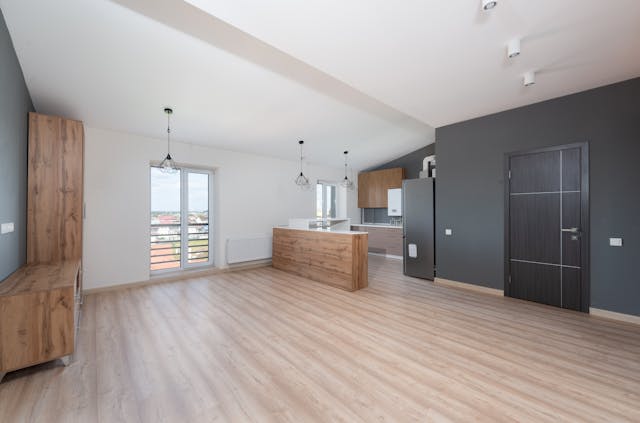
Regular maintenance creates an impression that a property is being well-managed. As a result, many tenants take pride in maintaining their living spaces. In contrast, residents will demonstrate decreased willingness to take care of the property when unnecessary maintenance is performed.
5. Honor Tenant Privacy
Renters possess the right to privacy in their rented residences despite the continued property ownership of the landlord. Respecting these privacy boundaries encourages renter/landlord trust.
Entering the rental property after providing the tenant with adequate notice, following all legal guidelines, and only entering the rental for necessary reasons is an important professional way of demonstrating respect. By showing respect for the tenant’s right to privacy, the tenant will view your building as a comfortable home rather than a temporary living space.
6. Maintain Fair and Open Pricing
The financial aspect of renting is a crucial part of the renter’s experience. Therefore, rents should be set at an appropriate price that reflects what the local rental market is bearing, and the quality of the property and level of demand in the local market.
If the tenant receives sudden or unexpected increases in their rent amount, it would come as an unwelcome shock, and it might also cause the tenant to look for other rental options.
Additionally, the landlord must provide detailed insight about the pricing structure and reasons for adjusting tenant rents.
Bottom Line
The engagement with tenants goes beyond facilities management. It involves providing good communication skills, the ability to respond quickly, treating each tenant fairly, and proving the reliability of your services through ongoing enhancement of the service you provide.
Interactions with tenants affect their experience living in a rental property; therefore, a tenant’s satisfaction is related to the operational effectiveness and financial success of a rental property. For better results, depending on your location, property type, and market dynamics, we suggest that you partner with a local property management company, like 33 Property Management.