
Key Takeaways
Immediate danger: Treat a repair as an emergency when it threatens safety, health, or the structure within hours, not days.
Clear priorities: Gas odors, flooding, fire, and lost security need an immediate response, while a dripping faucet waits.
Written procedures: A triage list and a named after-hours contact settle most decisions before the phone rings.
Spending authority: Agree on an approval limit in advance so a vendor can start urgent work without waiting.
An emergency maintenance call never arrives at a convenient hour. A pipe lets go in a Leucadia bungalow on a Sunday night, or a resident reports a rotten-egg smell near the water heater. A new landlord has minutes to judge how serious it is.
We're 33 Property Management Inc., a firefighter-owned and operated company in Encinitas. We see owners make two mistakes: rushing out for a dripping faucet, or waiting on real danger.
Get in Touch with Our Experts!
What Counts as Emergency Maintenance in a Rental
An emergency threatens safety, health, or the building, or leaves the home unsecured, and worsens by the hour. California's habitability standard, Civil Code 1941.1, covers working plumbing, gas, heating, hot and cold water, and weatherproofing.
True Emergencies
Act immediately on these:
A gas smell: Everyone leaves without operating switches and calls 911 and the gas utility from a safe location.
Active flooding, a burst pipe, or sewage backing up into the home.
Fire, active smoke, or an electrical panel that sparks or smells burnt.
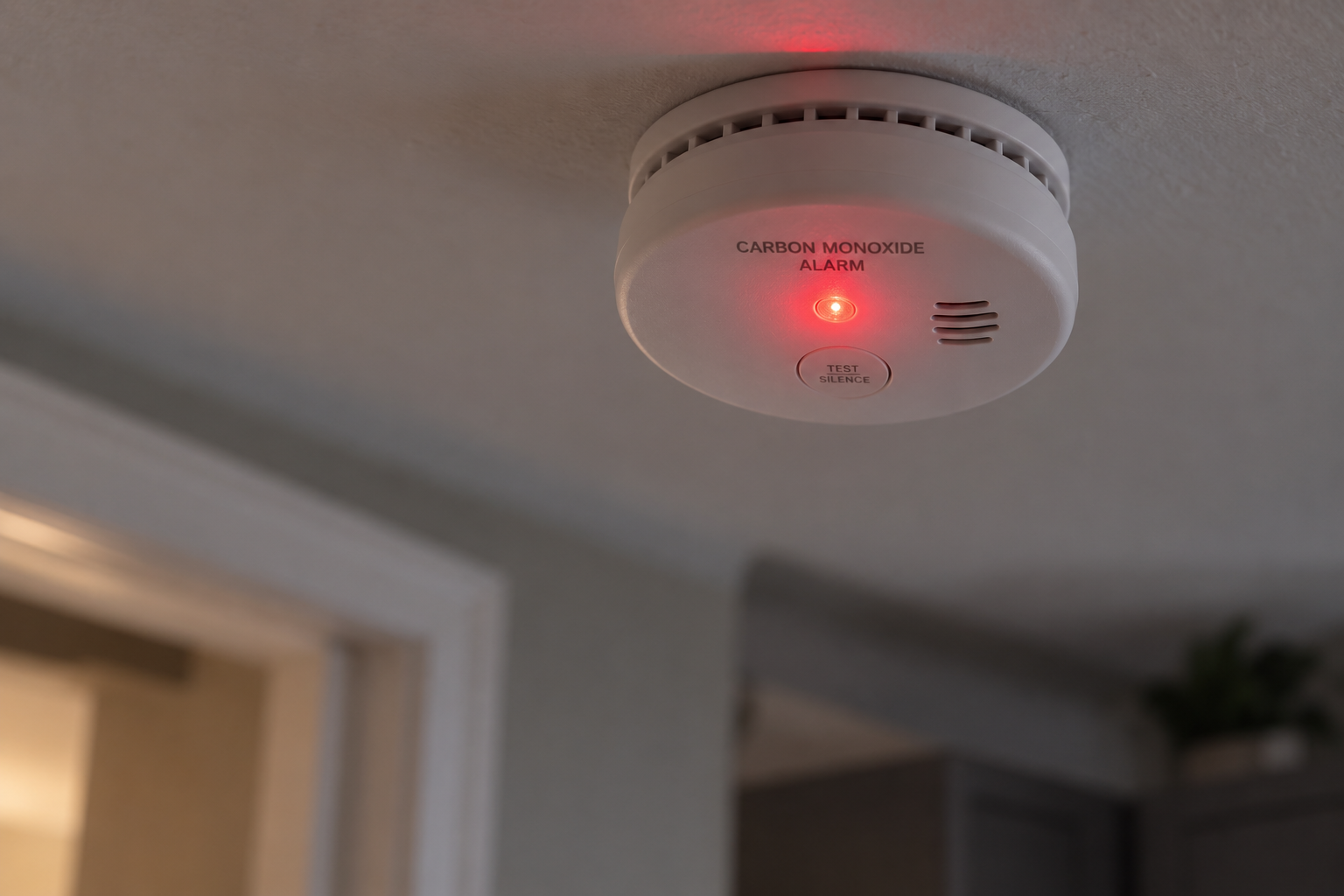
A carbon monoxide alarm: Leave immediately and call 911 from outside.
A broken door, lock, or window that leaves the home open to entry.
No heat during dangerous cold, or no water at all.
Urgent Repairs That Can Wait Until Morning
A failed water heater or refrigerator needs prompt attention, but not every failure requires midnight dispatch. Arrange repair the next day when there is no immediate hazard. A past roof leak needs repair before the next rain; active water intrusion moves it into the emergency category.
Routine Repairs and Lockouts
A dripping faucet or sticky drawer goes on the normal schedule. In Cardiff and Leucadia, preventive maintenance should include checking exterior hardware for salt-air corrosion; a loose railing needs immediate attention if someone could fall.
A lost-key lockout is different from a failed lock that leaves the home unsecured.
Learn More About Our Services!
A Simple Triage Framework for Landlords
Sort every call with three questions, in this order.
Is anyone in danger right now? Call 911 first and the owner or manager second.
Will damage spread, or will the home be unsecured, within hours? Treat it as an emergency.
Is a required system down, such as water, heat, power, or the only toilet? Arrange prompt assessment and escalate for dangerous conditions.
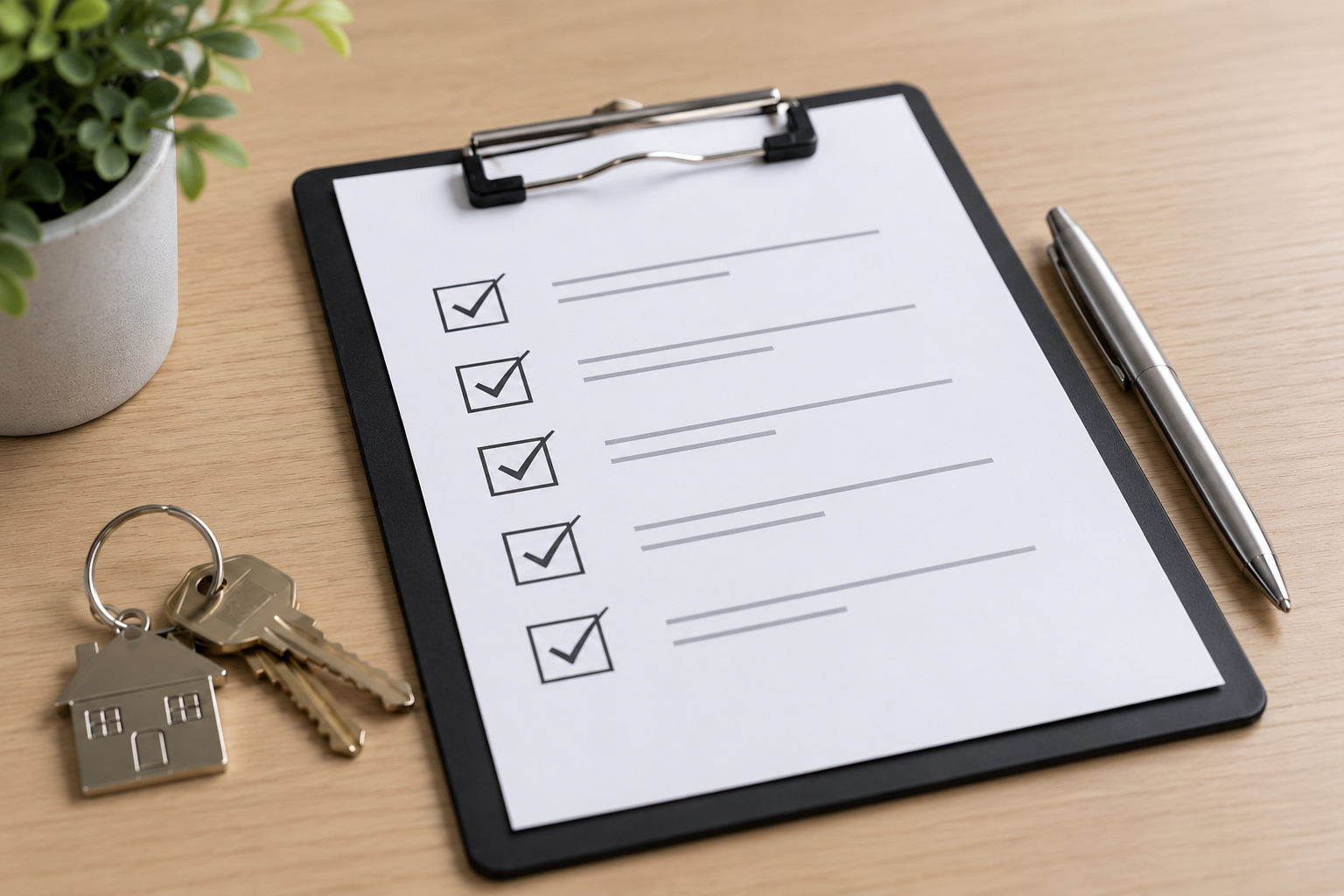
When unsure, treat the call as one level higher until a professional assesses it.
Response Time Expectations
California's repair standard is a reasonable time, with circumstances determining how quickly action is needed. These are targets we suggest owners build into their process, not legal deadlines:
Emergency: Acknowledge within 15 minutes, dispatch within an hour, and prioritize making the hazard safe.
Urgent: Contact the resident the same day and target completion within one to two days.
Routine: Acknowledge within one business day and schedule within about a week.
Setting Up After-Hours Maintenance for Your Rental
Good after-hours maintenance gets built before the first call.
Give residents one number and a written list of what qualifies.
Save backup vendors for plumbing, electrical, heating, locksmith, and water removal.
Set a dollar limit a vendor can spend without waiting for you.
Label the water main, gas shutoff, and electrical panel; confirm association-controlled shutoffs in HOA communities like Encinitas Ranch.
Keep photos, timestamps, and invoices, along with your insurer's claims number.
Civil Code 1954 allows entry without notice in an emergency; planned repair visits generally require advance written notice.
How Professional Management Handles Emergencies
A manager earns the fee at 11 p.m. We use a vetted vendor network, so the plumber or electrician has been screened before the pipe breaks. Residents submit requests through the portal, and owners can see work orders and costs.

Periodic inspections can catch aging water heaters and corroded connections before they fail. Our founders, Richard Brocchini and Baryic Hunter, built careers as firefighters and chief officers, so triage and written records come naturally.
Bottom Line
Emergency decisions go better when they're made before the emergency. Written priorities, vendors, and spending limits let owners act instead of deliberate. Coastal homes and condos add details like corrosion and shared shutoffs. At 33 Property Management Inc., our maintenance coordination and property inspections help owners prepare for those demands.
Frequently Asked Questions About Emergency Maintenance
Clear access rules and spending authority keep an urgent repair from becoming a dispute over who should act next. Under California's Civil Code 1954, emergencies and planned repairs follow different entry rules.
Who Pays for a Lockout at a Rental Property?
The cause and the lease guide the decision. When a resident loses a key, the rental agreement may assign the locksmith cost to that resident. A worn-out lock is an owner maintenance issue; a door that won't secure needs immediate attention. Record the locksmith's findings before deciding how to allocate the bill. Write the lockout procedure into the lease and tell residents who to call first. A clear process keeps a midnight call from becoming an argument over payment.
Can a Landlord Enter a Rental Without Notice During an Emergency?
Yes. California Civil Code 1954 allows entry without prior notice to respond to an emergency, such as an active leak or fire. Planned repair entry generally requires reasonable written notice and normal business hours; 24 hours is presumed reasonable. The statute also permits agreed repair entry without written notice under specified conditions. Try calling the resident when time allows, and document why you entered. A slow drip you would rather check tonight is not an emergency, so schedule it.
What Should a Resident Do Before Calling About a Burst Pipe?
Shut off the water at the main valve or fixture shutoff only if it is safe and reachable. Stay away from outlets and appliances in standing water. Call the after-hours contact promptly; do not delay reporting to photograph damage or move belongings. Once safe, document the affected area and tell the responder whether water is still flowing. Show residents the main valve at move-in. Minutes matter because water can reach flooring, walls, and neighboring units in a condo quickly.
Is No Hot Water an Emergency?
Loss of hot water needs prompt assessment and same-day contact. Civil Code 1941.1 includes hot and cold running water among required housing conditions. Aim to restore service within a day or two when there is no immediate hazard, while checking what caused the failure. A heater with an active leak, gas odor, or electrical hazard requires emergency action. Tell the resident when the technician is expected, and update them if parts or replacement equipment change the repair schedule.
How Much Should a Landlord Approve Without Asking First?
Pick a dollar limit and put it in writing with your manager or vendors. Stopping damage, such as controlling water or securing a door, should not wait for a callback. Separate authority for immediate stabilization from approval for larger replacements. With 33 Property Management Inc., owners can request up to three quotes on maintenance over $500, which suits planned work better than a flooded kitchen. Review the limit yearly and confirm how the vendor should report emergency spending.